Connect with us on LinkedIn: BleiholderGroup
News
Christian has been elected as a Senior Member of the National Academy of Inventors. This recognition reflects the creativity, dedication, and hard work of the students, postdocs, and collaborators in the Bleiholder Lab over the past decade. See the FSU article news here.
A new article co-authored by Thais, Christian, and Caroline has been published in the Journal of Mass Spectrometry special issue “Faces of Mass Spectrometry for Intact Protein Analysis”, entitled “Time-resolved Study of In situ Generated Protein Subcomplexes by Tandem-Trapped Ion Mobility Spectrometry.”
Caroline is featured in the Faces of Mass Spectrometry in the January 2026 issue of the Journal of the American Society for Mass Spectrometry.
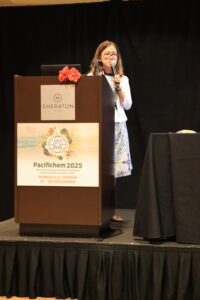
Christian and Caroline were invited to present our research in the symposium “Frontiers in Top-Down Proteomics and Proteoform Analysis” at PacifiChem 2025 in Honolulu, HI.
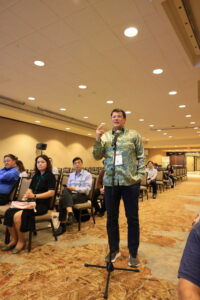
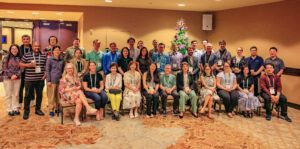
Together with the Boone Lab (University of Florida), we are organizing the Southeastern Mass Spectrometry Meeting 2026.
Christian will be presenting a seminar at the “Proteoform Thursday”, organized by the Consortium for Top-Down Proteomics, on November 20th. He will be discussing “Top-Down Protein Analysis by Tandem-Trapped Ion Mobility Spectrometry/Tandem-Mass Spectrometry.”
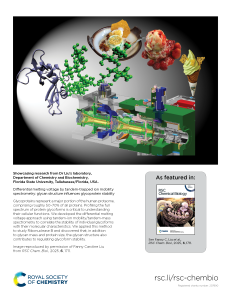
Our recent publication on Differential Melting Voltage is highlighted on the back cover of the Special Issue “Chemical Glycobiology: innovative tools for the sweet side of biology” in the journal RSC Chemical Biology.
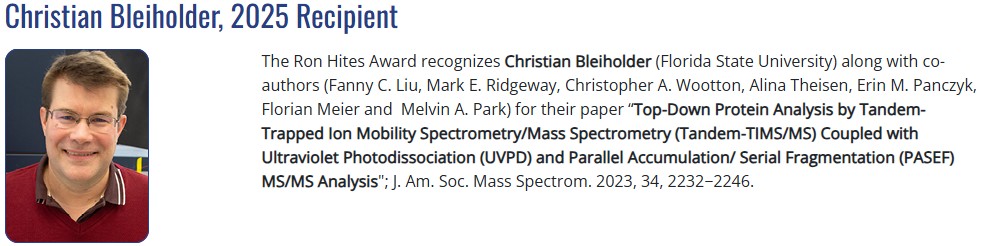
Our publication on Top-Down Protein Analysis has been recognized with the 2025 Ron Hites Award at the Annual Meeting of the American Society for Mass Spectrometry (ASMS 2025) in Baltimore, MD.
FSU chemist honored for discovering new way to study human genes, understand diseases
FSU chemists advance biotherapeutics with innovative imaging research
Bleiholder lab hosts annual workshop to highlight experimental and computational methods for structural biology
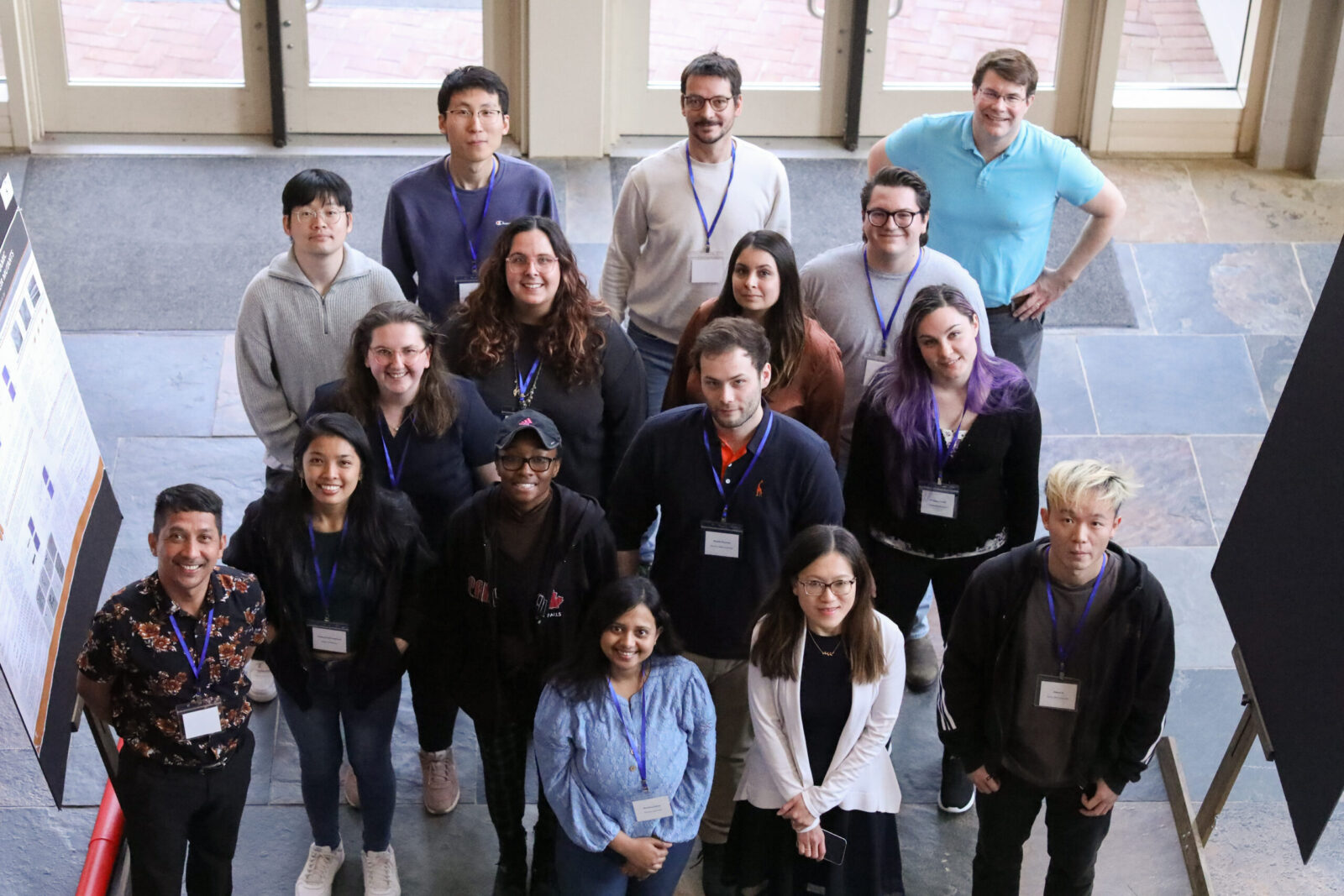
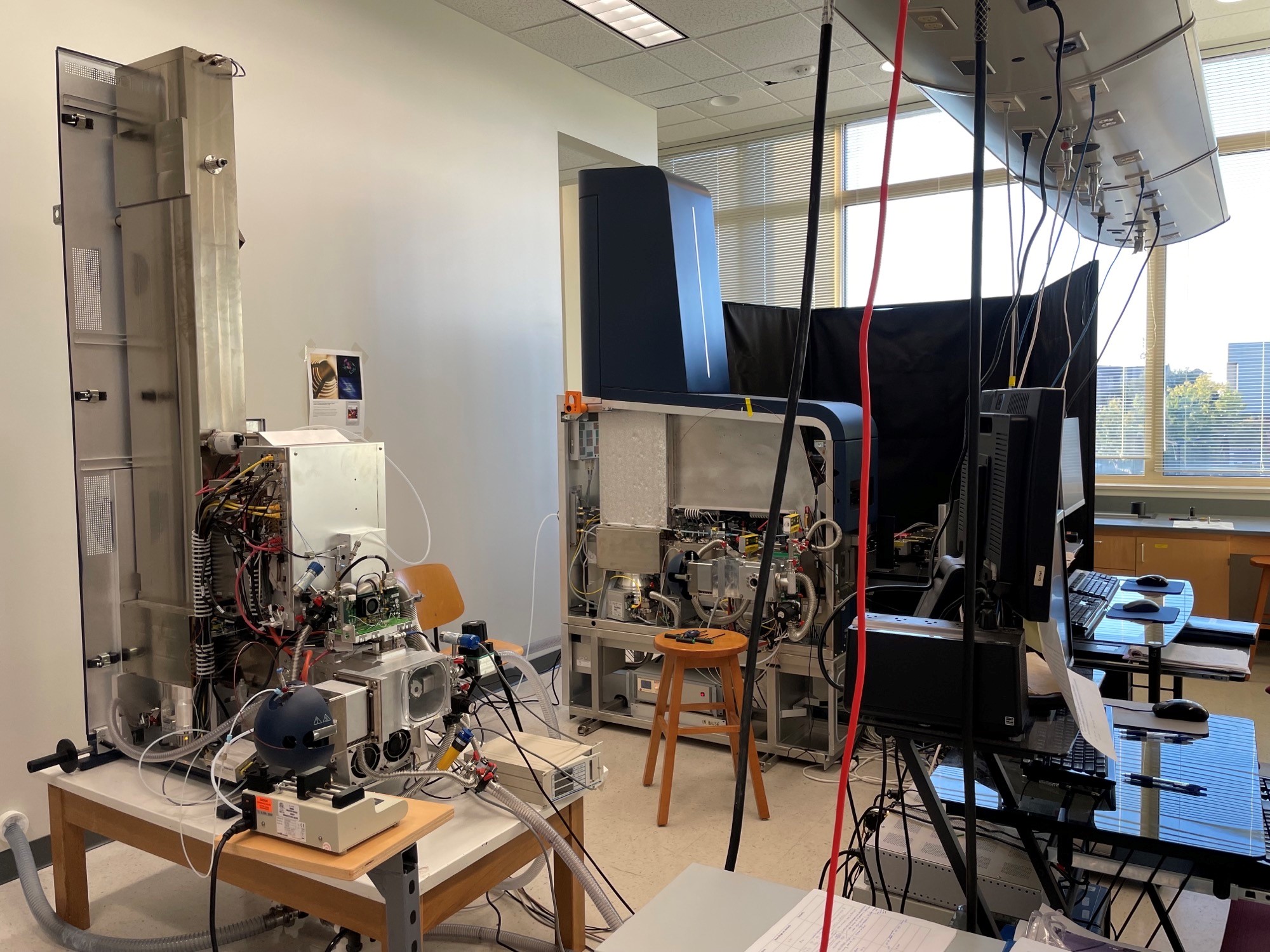
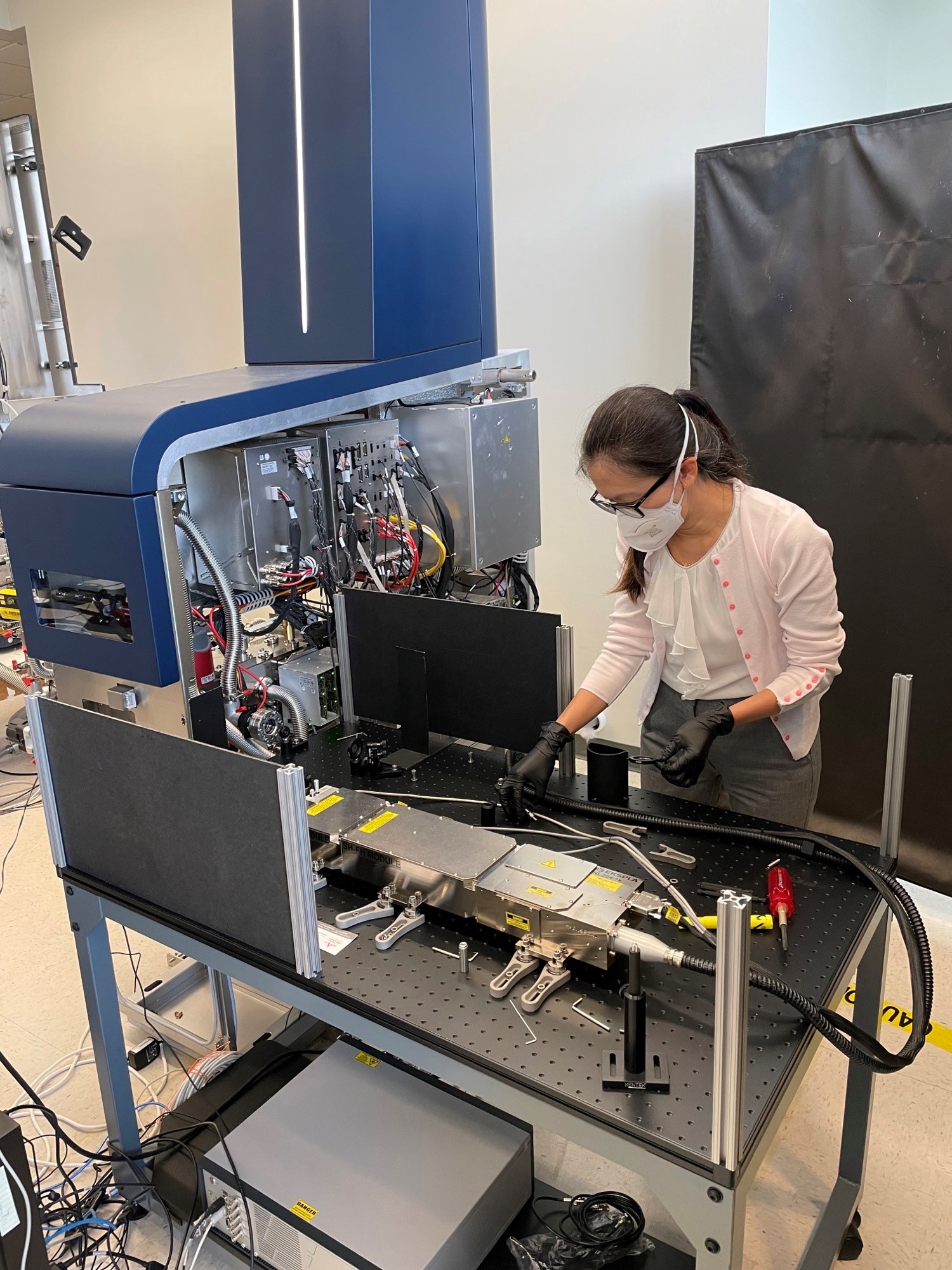
Welcome to the Bleiholder Lab at Florida State University!
The Bleiholder Lab is currently accepting motivated graduate and undergraduate students from all fields of chemistry, biochemistry, and biophysics.
The Bleiholder Lab is currently accepting motivated graduate and undergraduate students from all fields of chemistry, biochemistry, and biophysics. Our research focuses on the development of experimental ion mobility spectrometry/mass spectrometry methods, computational/theoretical approaches, and the applications of IMS/MS in health-related biological systems. For more information, please contact bleiholder@chem.fsu.edu.
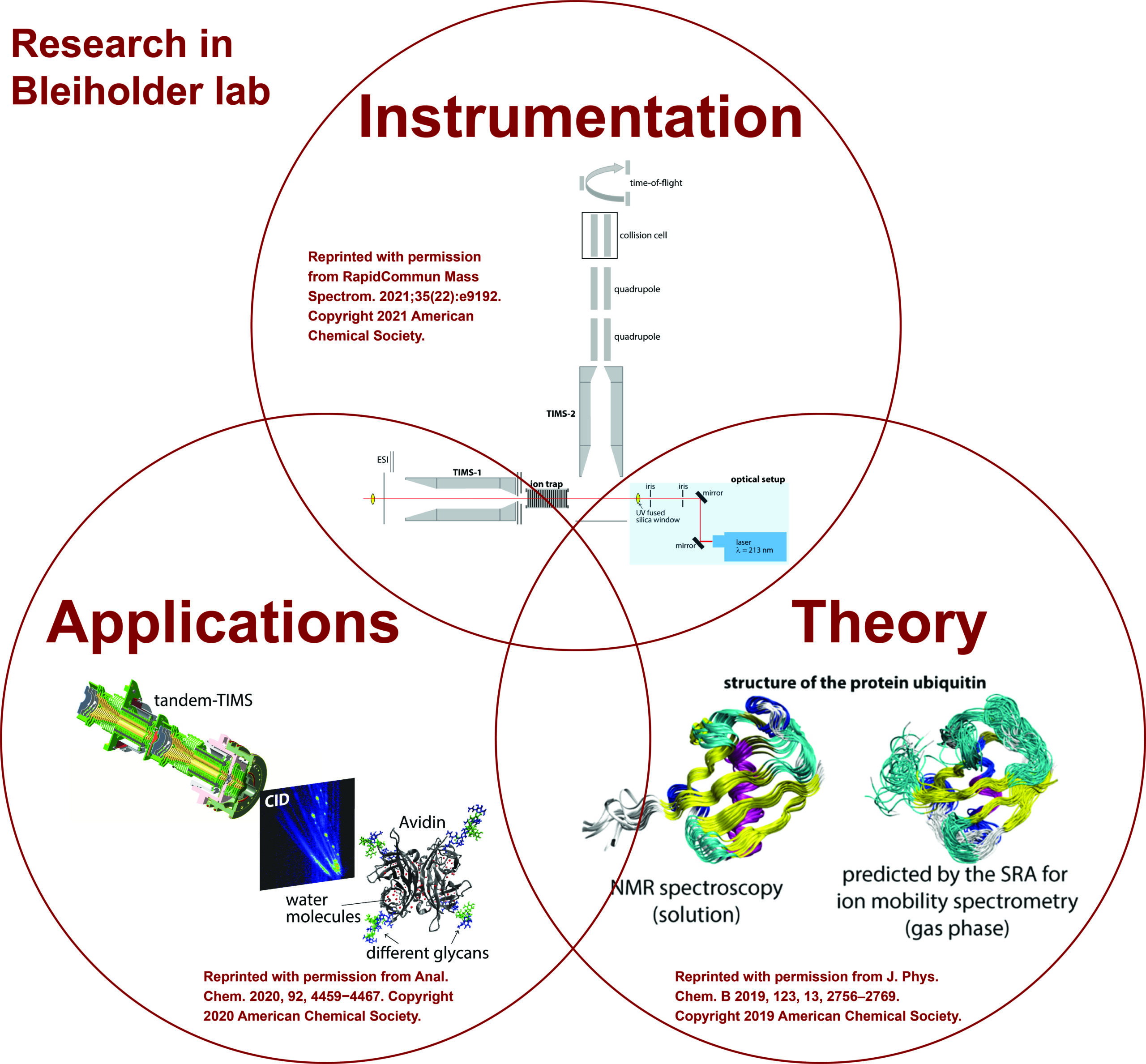
Instrumentation
In collaboration with Bruker Corporation, we develop tandem-trapped ion mobility spectrometry/mass spectrometry (tandem-TIMS/MS) as a novel analytical method to study complex, heterogeneous biological molecules. Currently our lab has two tandem-TIMS/MS instruments with different configurations and various ion activation methods.
Theory
Our lab develops theoretical approaches to elucidate detailed quaternary, tertiary, and primary structures of proteins from ion mobility/mass spectrometry data. Two computational methods have been published and patented: LCPA (Local Collision Probability Approximation) and SRA (Structure Relaxation Approximation).
Applications
We apply our experimental and theoretical approaches to investigate structure-function relationship of health-related, complex biological materials such as glycoprotein complexes, chemokines, and carbohydrates. We are especially interested in studying the glycan shield of viral spike proteins such as env of HIV or S of SARS-CoV-2.
Please check out our research tab for more information.
2023 Summer School
FSU Faculty Interview – Dr. Christian Bleiholder
Check out this video for a description of some of our work.